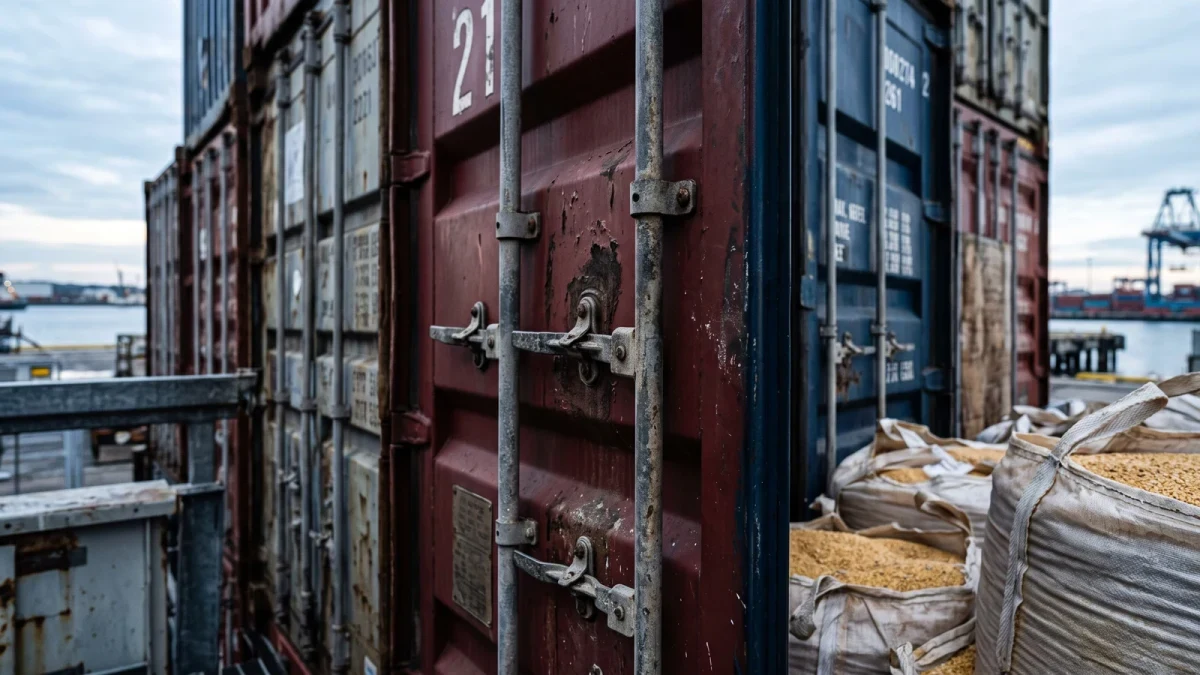
Agribusiness supply chains absorbed three documented shocks inside a single year: the March 26, 2024 collapse of Baltimore's Francis Scott Key Bridge closed a major agricultural export port for months; roughly 45,000 International Longshoremen's Association dockworkers struck East and Gulf Coast ports beginning October 1, 2024; and H5N1 avian influenza was confirmed in US dairy herds starting March 2024, per USDA Animal and Plant Health Inspection Service announcements. Farms that kept operating through all three shared common design choices, and those choices are the subject here.
This analysis works from documented public events and agency records, not from any single operation's books.
What actually breaks when a supply chain fails?
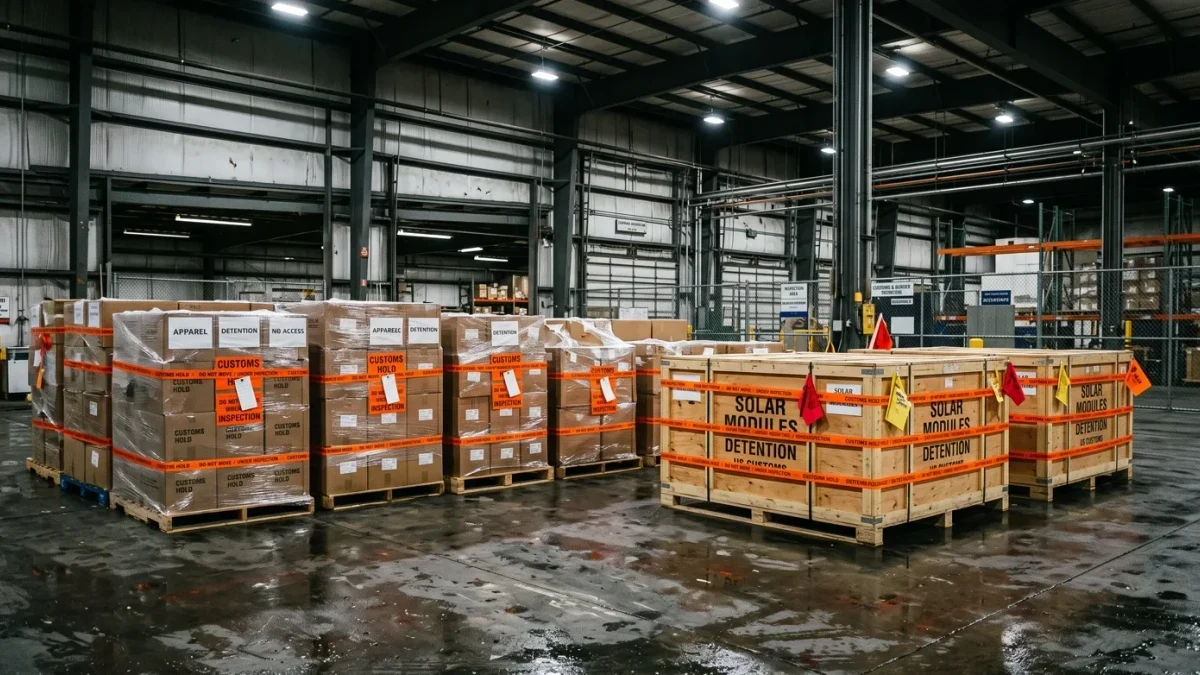
Three things, in order. Inputs arrive late or priced: a herbicide held at a port in October 2024 became a pre-emergence window missed in spring. Freight reprices: when a port lane closes, trucks and rail absorb the overflow at premium rates, and the cost lands on whoever has the least flexible contract. Access to buyers narrows: export-tagged grain and poultry that cannot move waits, and waiting commodities lose quality and basis position.
The farms that fared best treated these as separate risks with separate fixes, rather than one abstract problem called supply chain.
Why did the 2024 shocks hit agriculture specifically?
Agriculture is time-locked in ways manufacturing is not. A planted acre cannot pause for a late fertilizer delivery; a dairy processes daily. Baltimore mattered because it is a leading port for farm equipment, sugar, and agricultural products; the East and Gulf Coast strike threatened container lanes carrying packaged food and inputs both ways. H5N1 added a biological dimension: state-level movement restrictions on cattle and milk, plus testing requirements that slowed ordinary commerce, per USDA APHIS guidance issued through 2024.
What does resilience look like at the farm level?
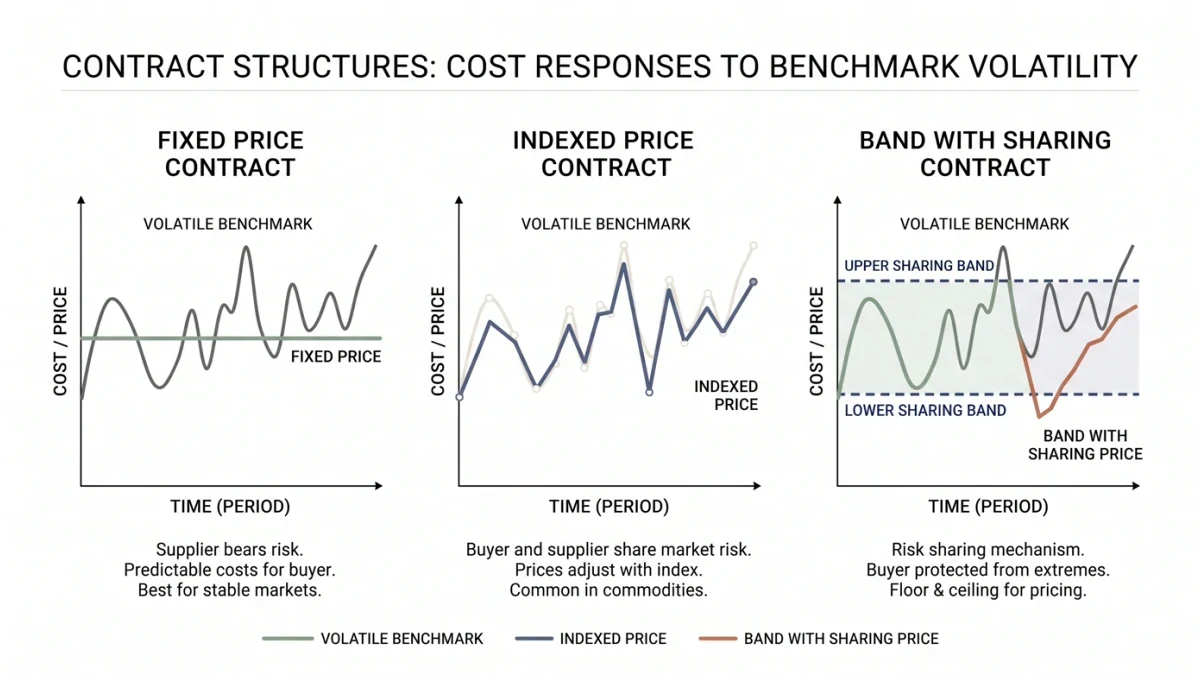
Documented practice across the sector clusters into five moves. First, dual sourcing on critical inputs: a second supplier for seed treatments, crop protection, and feed ingredients, quoted before it is needed. Second, earlier procurement: locking winter input purchases instead of buying at pre-plant peak, which moved the October 2024 port problem from spring fieldwork into a manageable winter delay. Third, storage: on-farm grain and input storage converts a logistics failure from a crisis into a schedule adjustment. Fourth, contract literacy: force majeure, delivery windows, and demurrage clauses decide who eats a delayed barge. Fifth, relationships: the operator known to the local co-op manager gets the last ton of product when allocation starts.
How much inventory is the right amount?
The honest answer is regional and commodity-specific. The trade-off is carrying cost against stockout cost: fertilizer stored through winter ties up working capital and needs dry, secure space, but the 2021-2024 period showed that input availability, not price, is the binding constraint in a disruption. Operations that model a 30-to-60-day buffer on critical inputs are following what food processors themselves adopted after 2020, shifting from just-in-time to just-in-case on items with no substitute.
What role do policy and infrastructure play?
Some risk cannot be fixed at the farm. Port labor contracts, bridge and lock condition, rail service standards, and animal-disease response are public matters. The federal supply chain reviews that followed the 2020-2024 disruptions, along with USDA's APHIS response framework for H5N1, set the rules within which private planning operates. Operators who comment through farm organizations on infrastructure priorities are doing supply chain work as surely as those building bins.
How do co-ops and handlers fit into a resilience plan?
The local cooperative is the farm's de facto supply chain partner, and consolidation among grain handlers and input suppliers cuts both ways. A larger co-op carries deeper inventory, more locations, and better freight contracts, which buffers shocks like the 2024 port stoppage. The same scale means fewer alternative counters in the county when allocation starts, so the second source may be two counties away rather than across the road.
Three practical habits make the relationship work under stress. Know the allocation policy before the shortage, not during it, by asking the manager how product was rationed in the last tight year. Keep one qualified line of credit open with a second supplier, even unused, because the first approved buyer in a shortage is the existing customer. And share storage plans with the handler: an operator who tells the elevator which months their bins are full gets better space allocation when everyone else calls in October. These are not contracts; they are standing positions that cost nothing in a normal year and decide who gets product in a bad one.
What should an operator change this year?
Pick the two cheapest moves first: a written second-source list for every critical input, and a calendar that pulls procurement decisions earlier. Then price storage against the working-capital line. Resilience is not stockpiling everything; it is knowing which single points of failure exist on your operation and pre-deciding the response before the next bridge, strike, or outbreak makes the decision under pressure.