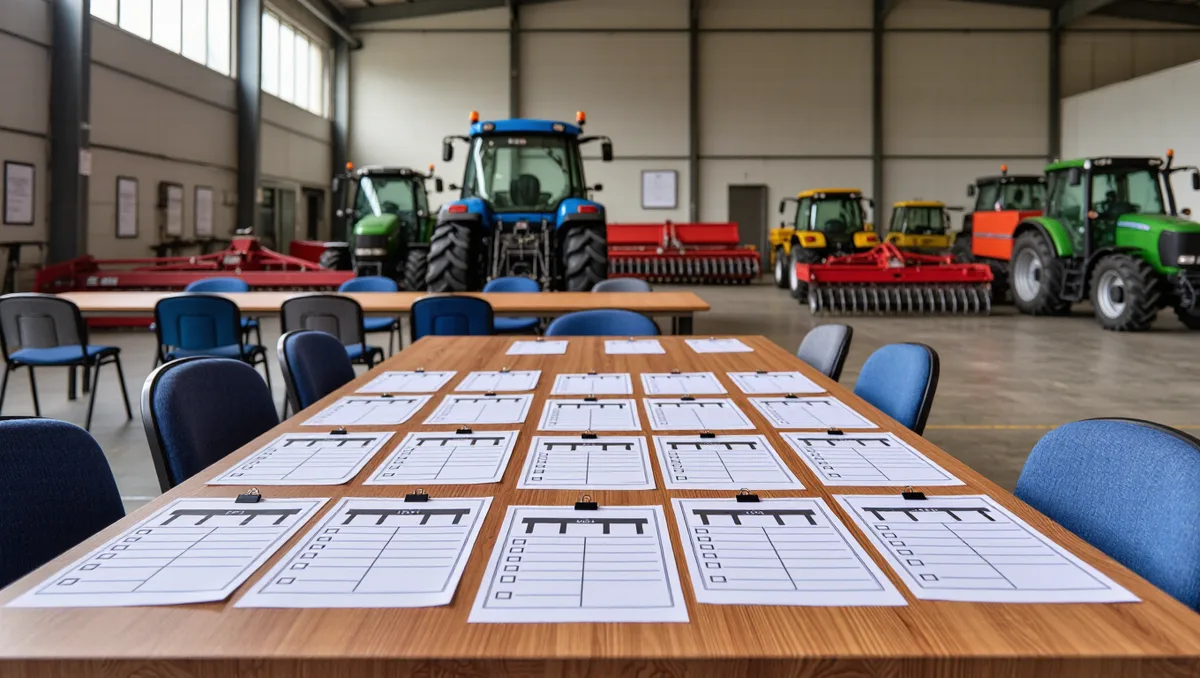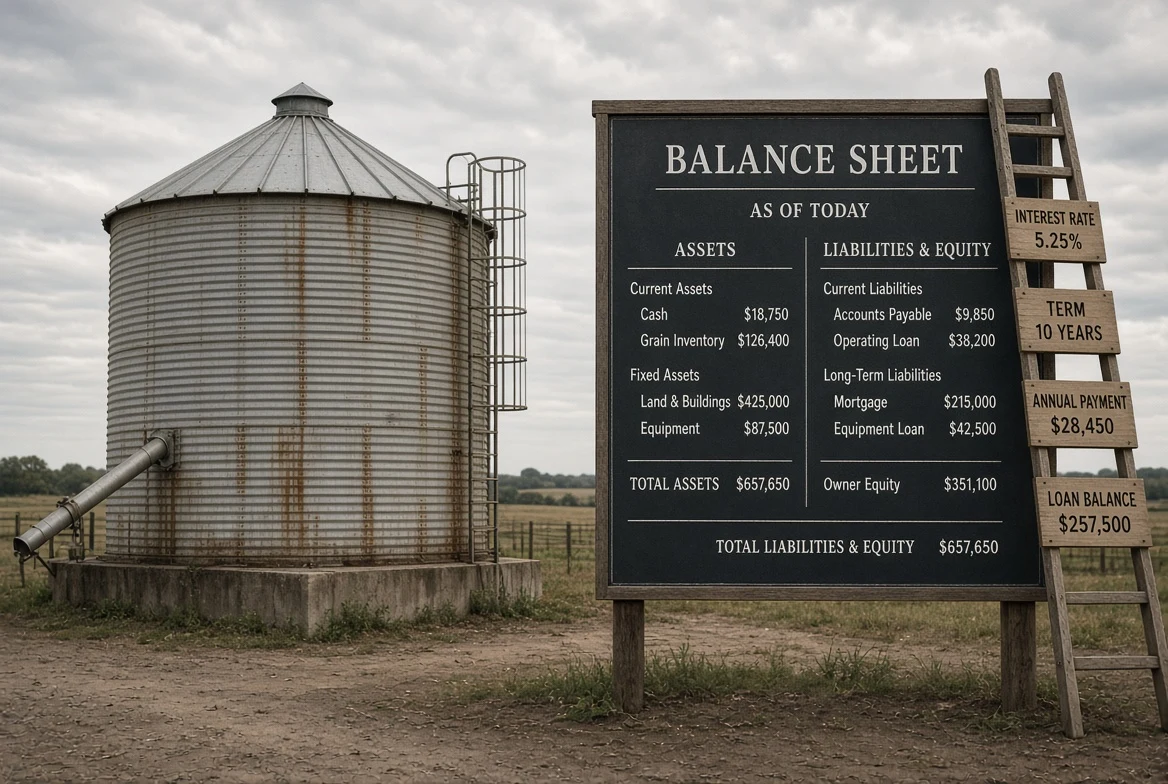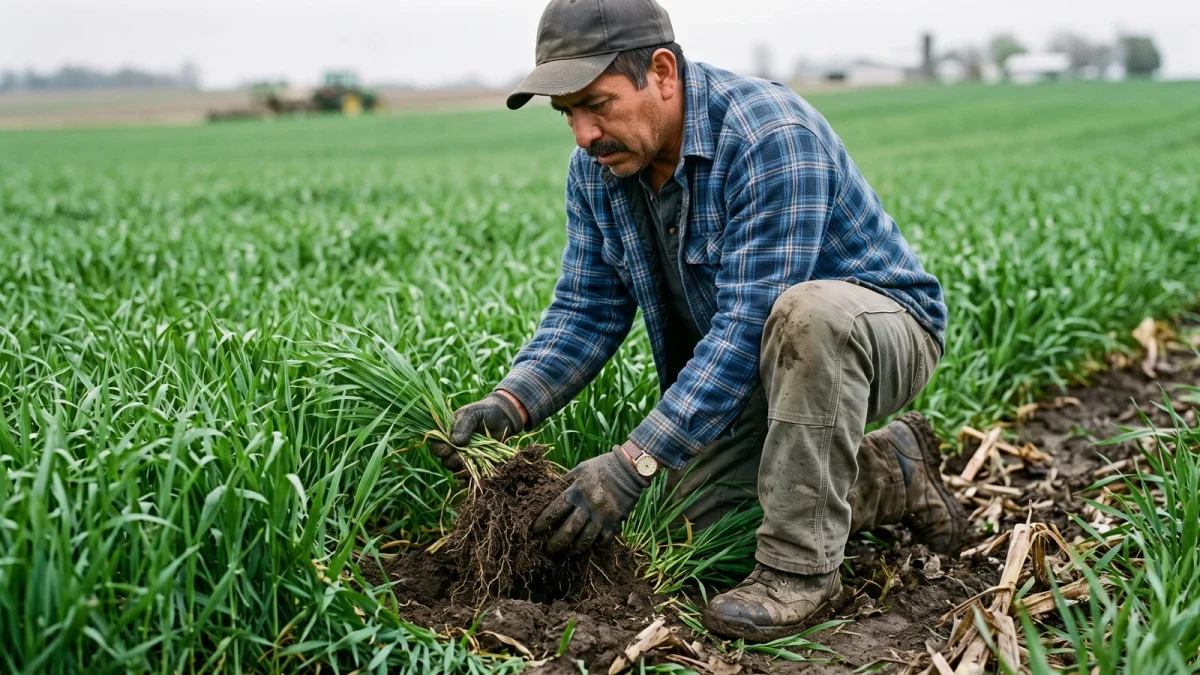
The documented money in agricultural carbon programs is modest but real: Bayer's carbon initiative pays up to $6 per acre per practice, up to $12 per acre combined for practices like cover crops and reduced tillage, per its published 2026 program terms, while Indigo Ag's second carbon payment issued more than $3.7 million to farmers at $30 per credit sold, per the company's announcement. Understanding why those numbers differ so widely is the whole analysis.
Rates below are documented program terms and payment announcements, not projections of what any operation will earn.
How do the two payment models differ?
Bayer's approach is practice-based: enroll acres, adopt or maintain qualifying practices, get paid a fixed rate per acre regardless of how much carbon results. It is simple, and it shifted in 2026 toward also crediting historical practices already adopted, at up to $48 per acre one-time under published terms, with an enrollment intake that typically stays open through the crop year.
Indigo's model is outcome-based: practices generate measured soil carbon, third parties verify credits, buyers purchase them, and farmers receive 75 percent of the weighted purchase price per the company's standard program terms. Its second payment round totaled more than $3.7 million at $30 per credit. Its third carbon crop, announced in February 2024, generated nearly 300,000 credits from roughly 1.3 million acres across 28 states and almost 1,000 farmers, with payments made in March 2024. Across carbon and sustainably sourced grain programs, Indigo reports paying farmers more than $12 million cumulatively.
What do the payments mean per acre?
Outcome-based math is blunt. A US crop acre sequestering at commonly modeled rates might produce a fraction of one credit per acre per year; at $30 per credit, gross carbon revenue lands in the low single digits of dollars per acre annually, before data and verification obligations. Practice-based programs pay similar magnitudes with less measurement risk. Neither replaces farm program income; both can pad the margin on conservation that already pencils out for agronomic reasons.
What changed with Section 45Z?
The federal clean fuel production credit, 45Z, took effect January 1, 2025 and pays fuel producers, not farmers, for lower-carbon biofuel. Its effect on the farm gate is indirect: ethanol and biodiesel plants now have a balance-sheet reason to buy feedstock with documented climate attributes, which is spawning feedstock contracts that pay for verified practices. Per program guidance issued in 2025, the credit runs through 2027 unless extended, and its climate-smart agriculture provisions have moved slowly. Operators should read any 45Z-linked feedstock contract as a grain contract first and a carbon contract second.
What should operators check before signing?
Five contract terms decide most disputes. Permanence: how long must the practice persist after payments stop? Stacking: can the same acre collect USDA conservation cost-share, a carbon program, and a 45Z feedstock premium, or does one contract exclude the others? Data: who owns yield, input, and field-boundary records? Verification and audits: who pays, and how often? Exit: what happens to payments already received if the practice lapses in a wet spring?
The answers vary more than the headline rates do, and the cheapest per-acre payment with the cleanest exit terms is often the better deal than the largest number with a 10-year permanence clause.
What do verification and data demands cost the farm office?
Outcome-based programs buy a verified number, and producing it is unpaid work. Enrollment requires field boundaries, practice records, and multi-year input histories; verification brings sampling protocols and third-party auditors; and some contracts reserve the right to re-verify years after payment. A farm with disciplined records absorbs this in a few winter days. A farm without them faces either a scramble before each audit or hiring a record-keeping service, whose fee comes straight out of the low per-acre return documented above.
Treat the data clauses as part of the price. Who receives yield and input data, what they may do with it, and whether the operation can export its own history on exit are all negotiable in a way the payment rate usually is not. Operations that handled conservation compliance paperwork in past decades already know the pattern: the check arrives only after the documentation, and the documentation is the real cost center. Budget office time accordingly before counting carbon dollars as free margin.
How should a farm decide at all?
Run the agronomics first. Cover crops and reduced tillage carry costs and benefits that vary by region, rotation, and soil; a carbon payment of $6 to $12 per acre tips a marginal decision occasionally, but it does not rescue a practice that loses more than it returns. Where the practice already fits the system, the payment is found money with paperwork attached. Where it does not, no documented program rate covers the drag.