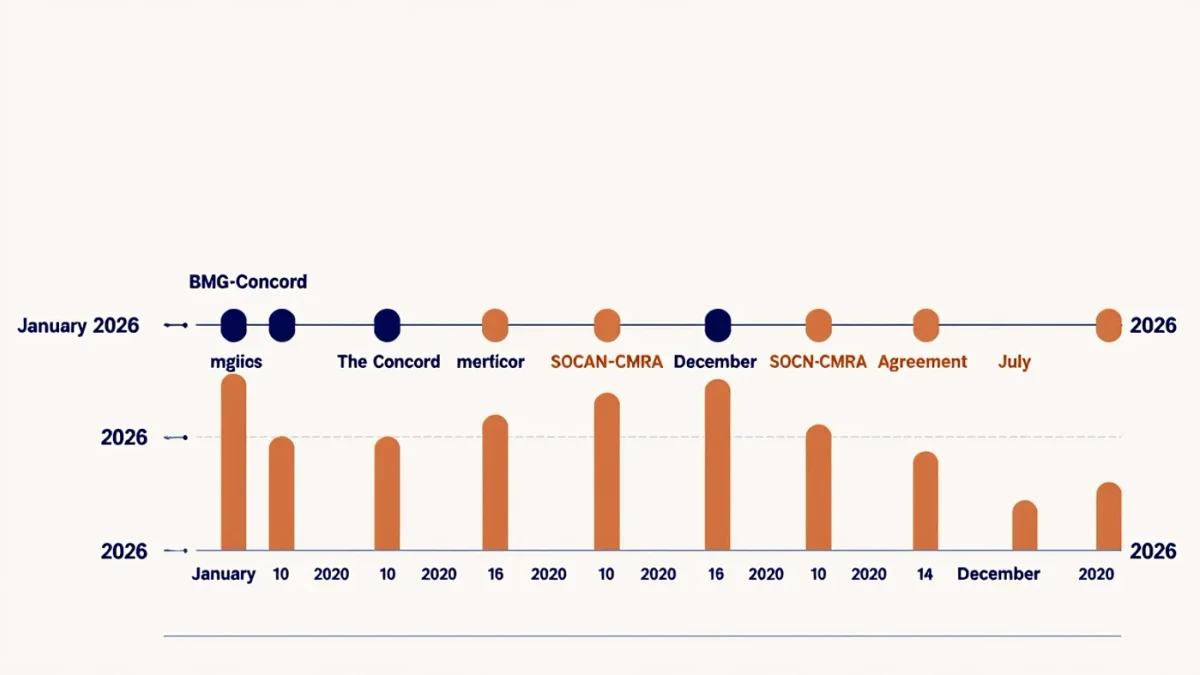
Farmer-members of Pearl City Elevator and Stephenson Service Company approved a merger on January 30, 2026, after both boards voted unanimously for the agreement on December 15, 2025, per the co-ops' joint announcement. A shared management agreement took effect March 1, 2026, with the full merger set for September 1, 2026, operating as Stephenson Service Company, headquartered in Freeport, Illinois.
Farm Press Theme publishes information, not financial advice. This account is drawn from the cooperatives' own published statements and board announcements.
Who are the two cooperatives?
Stephenson Service Company, founded in 1930 and based in Freeport, serves Jo Daviess and Stephenson counties in northwest Illinois with grain marketing, agronomy inputs, fuel, propane, and vehicle service. Pearl City Elevator, headquartered in Lena with more than a century of history, runs agronomy, feed, and energy lines plus licensed grain facilities in Lena, Pearl City, and Baileyville with combined storage above 5.6 million bushels. PCE is also majority owner of Adkins Energy, the corn-to-ethanol plant in Lena.
Why merge now?
Board President Kevin Keltner cited the co-ops' shared history in northwest Illinois and a goal of elevated service to farmers and communities, per the announcement. A merger study had been underway since it was announced in August 2025. The business logic is familiar: overlapping territories, duplicated agronomy and energy fleets, and grain volumes that spread fixed costs across more bushels.
What does this fit into nationally?
Local mergers are the quiet layer of a national trend. CHS and GROWMARK, the two largest US farm cooperatives, explored a combination in 2024 and ended the talks that April. In October 2025, CHS and Mid-Kansas Cooperative agreed to end their grain marketing joint venture. Each exit and each small merger pushes more grain handling into fewer, larger balance sheets.
What changes at the farm gate?
For patrons in the two counties, the near-term changes are practical: a single management structure under Jay Kempel of Stephenson Service beginning March 1, 2026, and, over time, consolidated scheduling of agronomy, energy, and grain services. Members should watch for three specifics before September: how patronage and equity accounts convert, whether grain contracts and pricing programs carry over unchanged, and which facilities get investment or rationalization.
The ethanol stake adds a wrinkle worth tracking. Adkins Energy gives the merged co-op demand for member corn inside its own footprint, which can shorten basis and freight exposure for growers near Lena, though plant performance still sets the pace.
What should members do before September 1?
Read the merger documents for equity redemption terms, confirm existing grain contracts in writing, and ask directly which locations will handle which crops after the merger. Consolidation tends to widen service capacity while thinning the number of local decision-makers; both effects reach the farm gate eventually.