A useful farm data stack starts with three layers most operations already generate — yield monitor data, soil sampling, and application records — and USDA's Census of Agriculture tracks their spread across U.S. row-crop acres in its regular technology-use reporting. The strategy question is not whether to collect data but which data earns its storage: a stack pays when a specific decision — a variable-rate prescription, a tile line, a hybrid choice — gets measurably better because the records exist.
Farm Press Theme publishes information, not financial advice; this analysis covers data architecture and documented decision uses, with agency sources named.
What belongs in the core data set?
The consensus across extension precision-ag guidance is a short list, collected consistently:
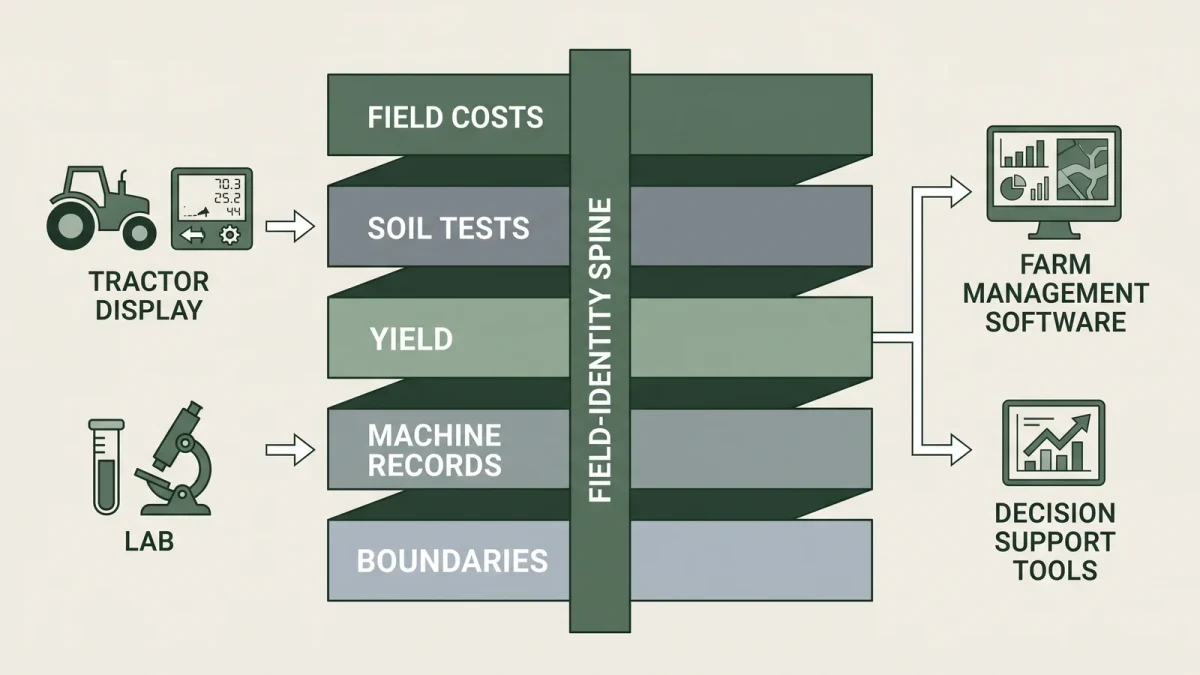
- Boundaries and field identities — one authoritative version of every field line, used by every system.
- As-applied and as-planted records — what went where, at what rate, on what date, machine-generated.
- Yield monitor data — cleaned and calibrated annually, kept by hybrid and field.
- Soil tests — on a fixed grid or zone schedule, same lab where possible, so trends compare.
- Cost and revenue by field — the enterprise budget layer that turns agronomic data into money answers.
The list is deliberately short. Data with no decision attached is a storage cost, and the failure mode of farm data programs is accumulation without architecture.
How should the layers connect?
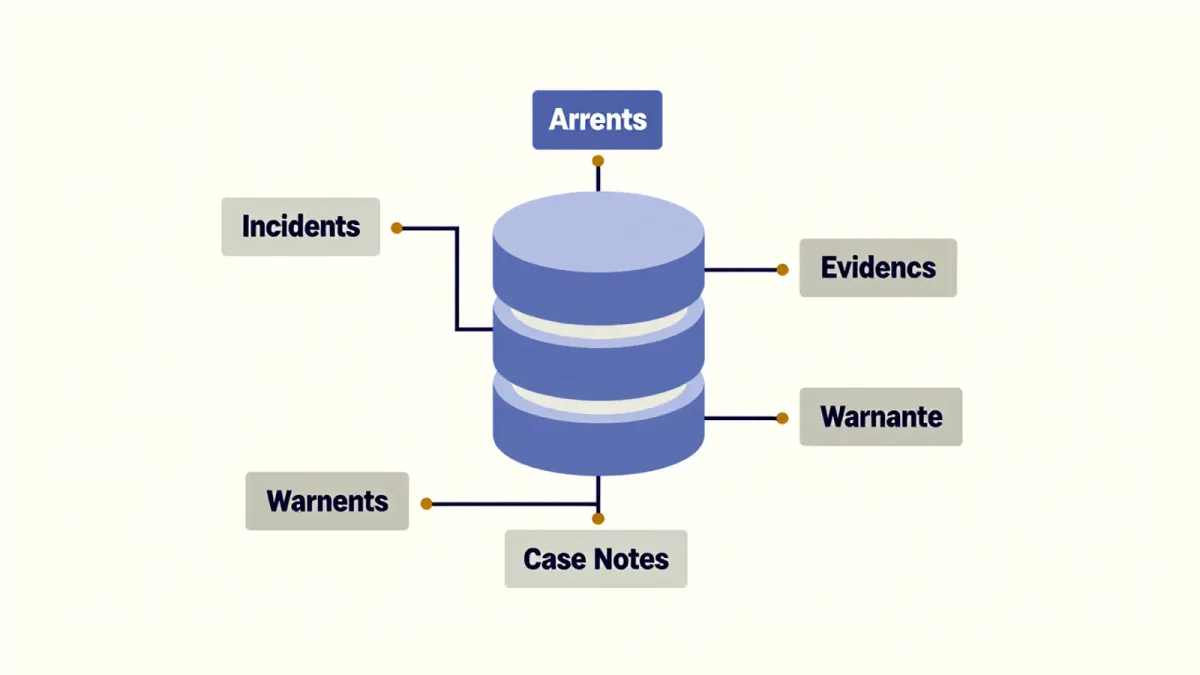
Through a common field identity. The practical pattern: one farm-management software platform as the hub, machine data flowing in from displays by file transfer or telemetry, soil and lab results imported against the same field names, and the accounting system exporting per-field costs that match the same boundaries. When the layers share identity, the questions that matter become answerable: which field lost money, which hybrid held yield on the lighter ground, whether the variable-rate prescription paid.
Compatibility standards exist for exactly this reason — the agricultural industry's data interoperability work (ADAPT and similar frameworks) exists so machine files from mixed fleets can be read into one system. An operator buying software should ask one question first: can it import my machines' file formats and export the raw data back out. Any platform that traps the data is a liability, not an asset.
What decisions actually justify the stack?
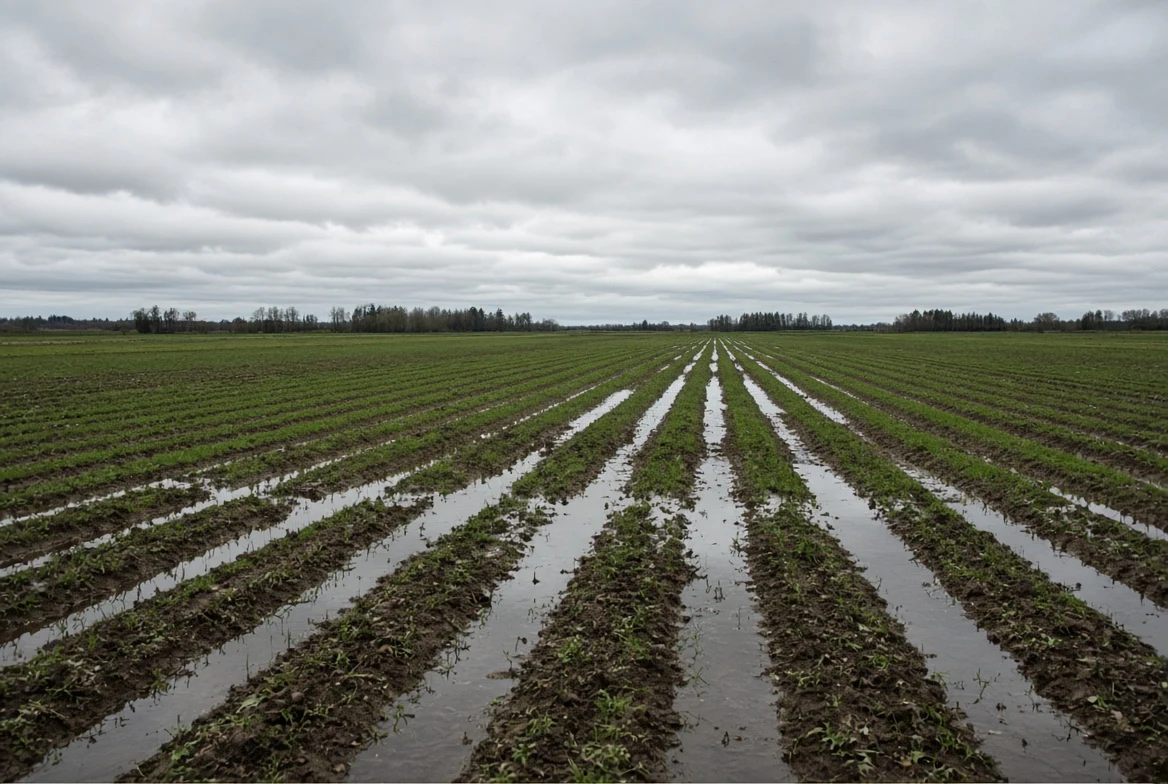
Documented, recurring ones. Variable-rate liming and fertilization driven by multi-year soil and yield data is the clearest: extension trials across corn-belt states support site-specific nutrient management on variable fields, with the payoff concentrating where soil variability is high — the region and field qualifier that always governs these numbers. Hybrid and variety placement by soil type, drainage investment targeting using yield maps that show drowned-out zones, and population trials analyzed on own-ground data are the other standard payers.
The qualifier matters: on uniform ground, the marginal value of fine-grained data is small, and the stack earns little beyond record-keeping compliance. The value scales with variability — of soil, of drainage, of pest pressure.
Who owns the data, and what should contracts say?
The operator, in principle — but ownership is defined by contracts, and farm data moves through many hands: machine dealers, platform vendors, input retailers running connectivity programs, and advisers. The documented issues to resolve before signing: whether the operator can export complete raw data at any time, who else can see or use it, whether it survives a subscription lapse, and whether the vendor may aggregate it into benchmarking products.
A practical rule from extension farm-management guidance: treat a data platform agreement like an equipment lease — read the exit terms before the entrance terms. If the exit terms are unacceptable, the entrance terms do not matter.
How should an operation start, cheaply?
With what it already has. Most newer machines already log the needed data; the first investment is usually organization, not technology:
- Fix field names and boundaries once, then enforce them across displays, labs, and software.
- Back up raw yield and application files annually off-platform.
- Pick one decision for the coming season — say, zone-based soil sampling — and run it end to end.
- Review the result against cost, in dollars per acre, before adding any second layer.
The stack that pays is the one where every layer was added to answer a question someone actually asked, with the answer checked against the P&L afterward.
Frequently asked questions
What farm data is worth collecting first?
Field boundaries, as-planted and as-applied records, calibrated yield data, and soil tests on a consistent schedule. These four connect to more paying decisions than any other set, and most newer equipment generates the machine layers automatically.
Do I own the data my equipment generates?
Generally yes in principle, but the contracts control in practice. Before committing to a platform or connectivity program, confirm export rights over raw data, restrictions on third-party use, and what happens to the data if the subscription lapses.
Does precision-ag data pay on every farm?
No — its value scales with field variability. On variable soils, documented uses like zone sampling and variable-rate nutrient application have shown returns in extension trials; on uniform ground the same tooling often amounts to better record-keeping at a software cost.