Agtech
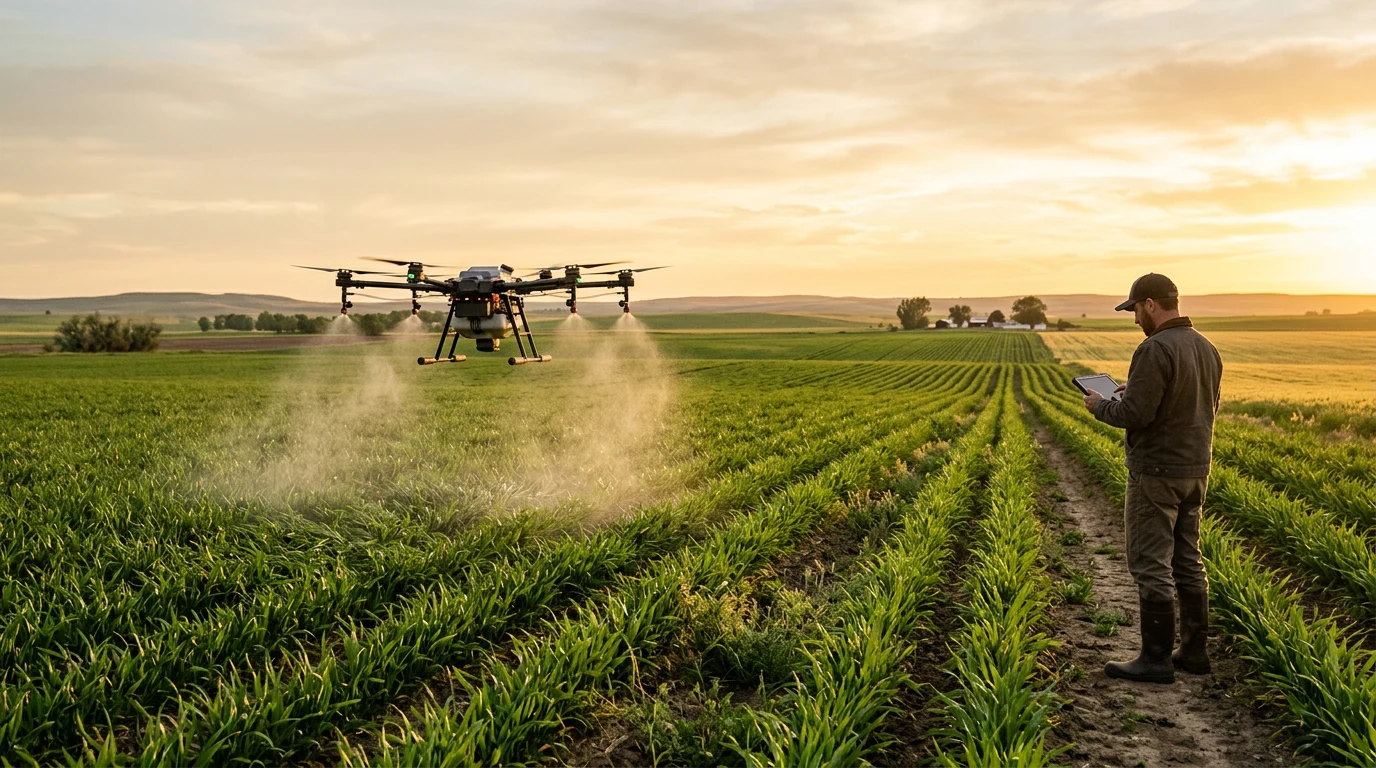
Precision agriculture adoption: what USDA's numbers actually show
Isabel Duarte · August 28, 2026
Agribusiness examines the commercial structure surrounding production: cooperatives and elevators, processors and input suppliers, farmland ownership and rental rates, agricultural credit, and consolidation among seed and chemical firms. Analysis explains how each affects a grower's margin. Aimed at farm owners, managers and the lenders and advisers working with them.

With the average U.S. producer at 58.1 years old and most farmland on the edge of a generational transfer, a documented succession process is the difference between a plan and an auction.
Tanya Brooks · July 23, 2026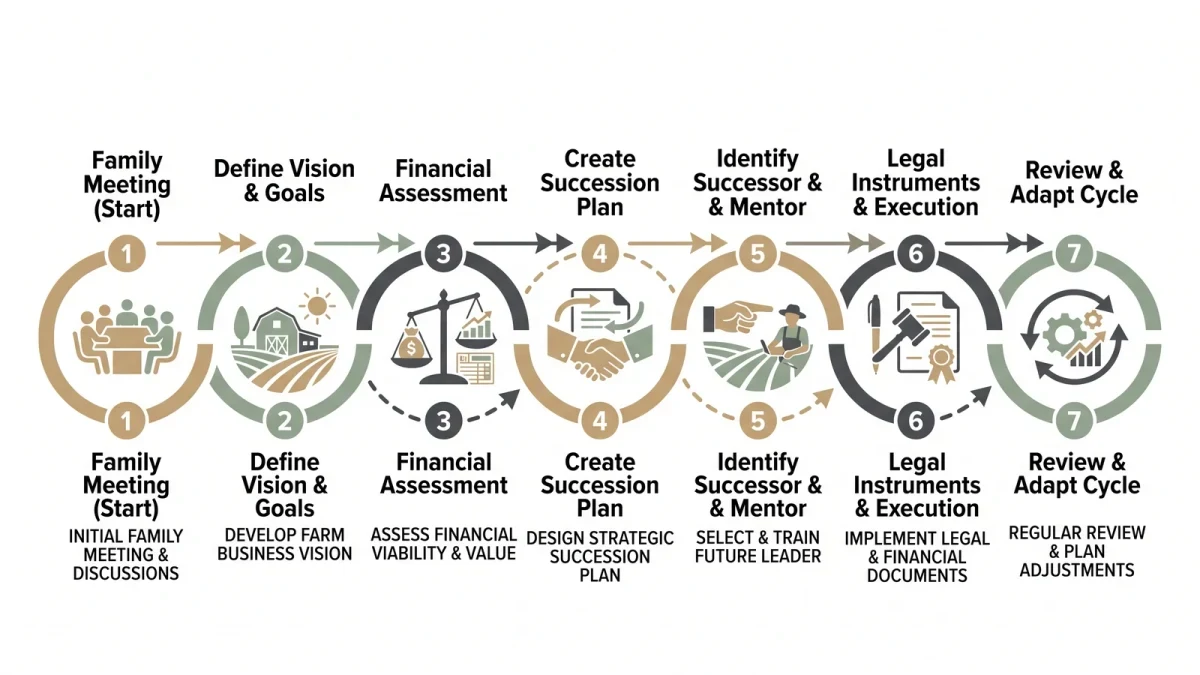
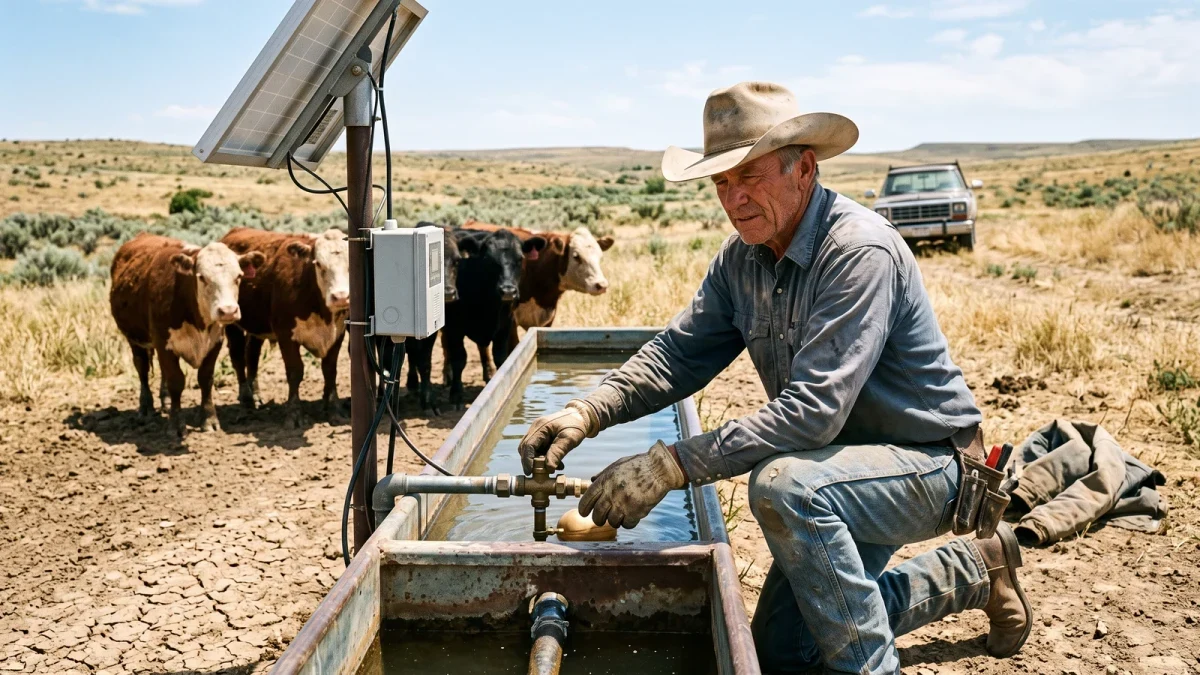
Drought forces ranchers into a documented sequence of costly decisions, depopulate, buy feed, or haul water, and the operations that fare best are those that made resilience investments before the dry year.
Isabel Duarte · June 30, 2026