Nitrogen fertilizer is, at bottom, a natural gas product. Most of the world's ammonia is made by combining natural gas with nitrogen pulled from the air, so the price a farmer pays per ton carries the cost of the gas that went into it. When energy prices spike or a shipping route closes, that cost moves down the chain and lands in the spreader.
Phosphorus and potassium take a different road. They come from mined rock — phosphate deposits and potash ores — concentrated in a handful of producing regions, then processed, shipped, and blended. Understanding where each nutrient comes from explains why their prices do not always move together, and why a fertilizer bill is really three separate supply stories.
Where does nitrogen actually come from?
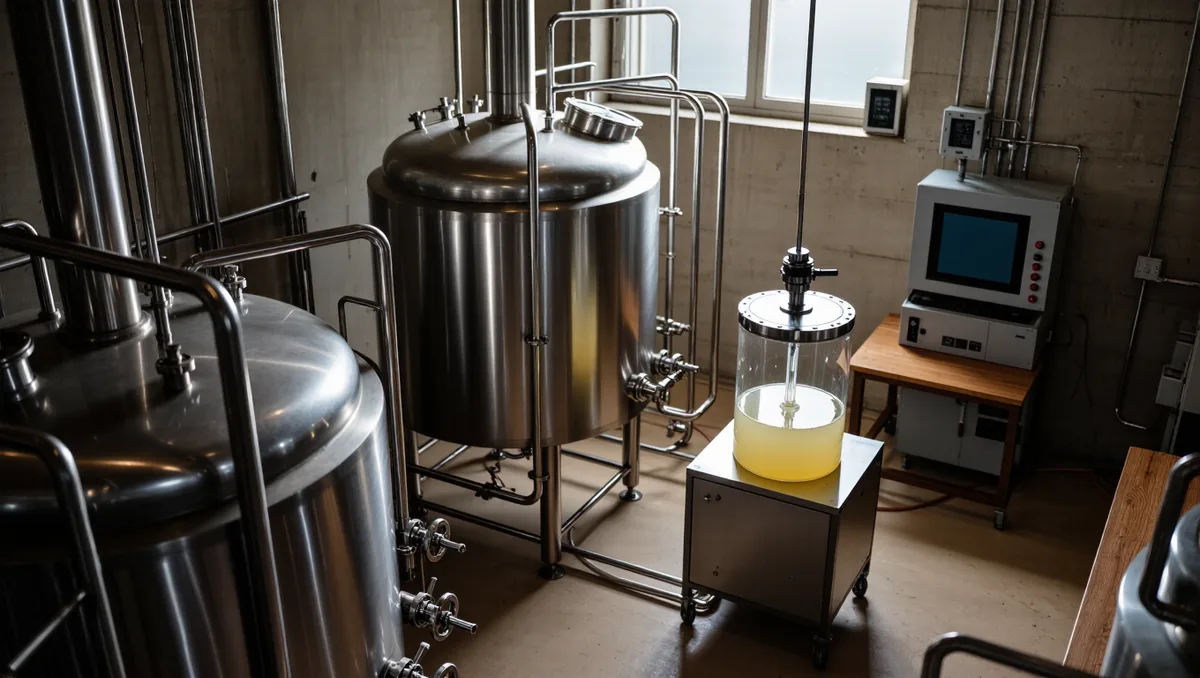
Nitrogen fertilizer starts as ammonia. The dominant method is the Haber process, which produces ammonia from methane — natural gas — and molecular nitrogen from the air. As Wikipedia's fertilizer overview notes, the Haber process rose to dominance in the 1910s and 1920s, and the ammonia it produces can be partially converted into nitric acid for other nitrogen products.
The scale matters for anyone pricing crop inputs. The same overview estimates that roughly a third of annual global food production relies on ammonia from the Haber-Bosch process, supporting nearly half the world's population. Nitrogen use climbed steeply through the twentieth century — the article records an increase of about 800 percent between 1961 and 2019 — and synthetic nitrogen became a central piece of the productivity gains often called the Green Revolution.
Because the process consumes natural gas directly as a feedstock and usually burns it for heat as well, an ammonia plant is best understood as a converter of gas into a storable, shippable nutrient. Where gas is cheap, ammonia is cheap to make. Where gas is expensive, plants idle or run at reduced rates, and the world's supply of nitrogen tightens.
How does energy end up in the price of a ton?
The chain runs like this: natural gas price, then ammonia price, then the price of the urea or UAN a dealer quotes. Ammonia trades globally, so a gas shock in Europe or Asia does not stay local. Producers in regions with cheaper gas can export, but freight, port capacity, and import demand set how much of the gap closes.
What this means at the farm gate: a nitrogen quote reflects three stacked costs — the energy that made the nutrient, the freight that moved it, and the local handling and blending margin. The first two are set far from the field. That is why nitrogen prices can move on news from a gas market an operator will never see, and why two dealers in the same county can quote different numbers depending on when they bought and how they stored.
Our analysis of how these pieces fit: the energy component is the largest and the least controllable. Freight is the second, and it responds to routes, fuel costs, and port congestion. The local margin is the piece an operator can actually shop.
Why do phosphate and potash follow different rules?
Mined nutrients do not have a gas bill in the same way, but they have their own chokepoints. Phosphate comes from deposits mined in a limited number of countries, then processed with acid into products like MAP and DAP. Potash comes from underground ores, extracted and refined in a few producing regions. Both depend on mining capacity, rail and port access, and long ocean voyages.
So the price drivers differ. Nitrogen tracks energy. Phosphate and potash track mining output, processing capacity, and logistics. A disruption that hits one nutrient can leave the others untouched, which is one reason a blended fertilizer quote can behave oddly — the components are not really one product.
What happens between the plant and the field?
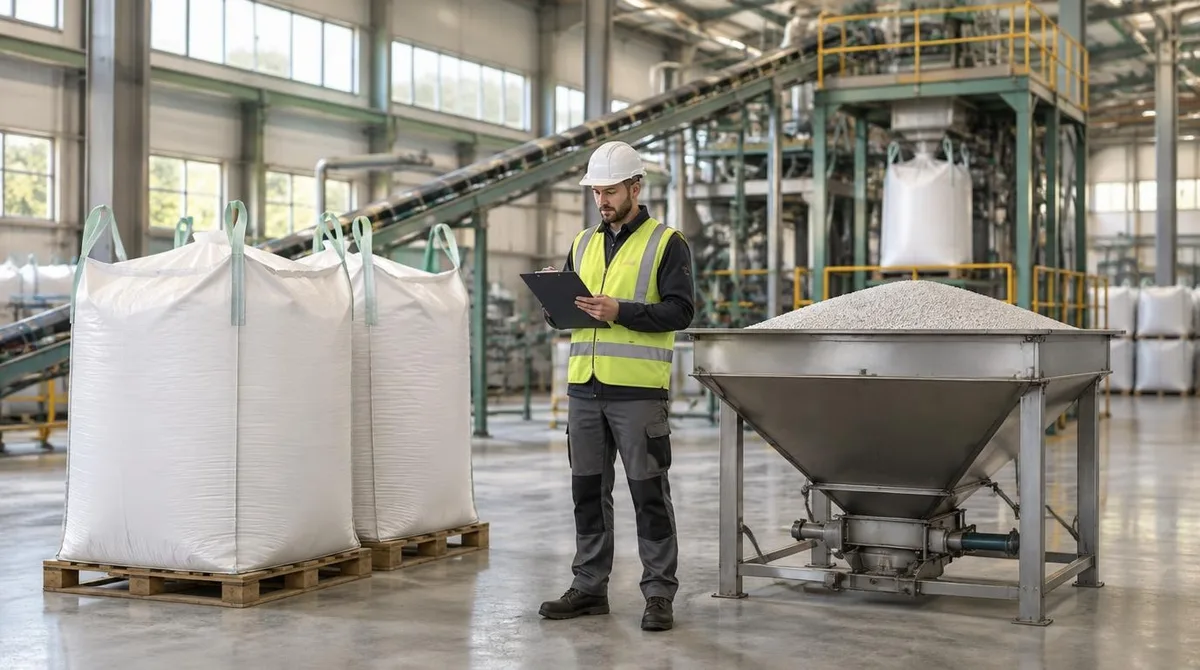
After production, the material moves through a logistics chain that is mostly invisible until it fails. Ammonia may ship as a pressurized liquid, or be upgraded into urea, UAN, or other products closer to where they will be used. Dry products move by vessel, rail, and truck to distribution points, then to retail blenders who mix the final blend a grower orders.
Each handoff adds cost and each adds a failure point. A river running low, a rail bottleneck, or a port backlog shows up as delayed deliveries and wider local quotes. Operators who track grain logistics will recognize the pattern — the same infrastructure questions that move barge rates also move inbound fertilizer. The difference is timing: fertilizer is bought months before it is applied, so a logistics snag in one season can surface in a purchase decision for the next crop. Readers following this should also see What grain basis measures, and why it swings by region.
What can an operator actually do with this?
None of this changes agronomy: the right rate still comes from a soil test and a yield goal, not from the supply chain. But knowing the chain changes how a purchase reads. A nitrogen quote that looks high may be tracking a global gas market, not local dealer behavior. A phosphate quote may reflect mine output and ocean freight on another continent. Those are facts about the market, not about the seller across the counter.
Practical steps that follow from the structure of the chain:
- Separate the three nutrients when comparing quotes, and ask what each is priced against.
- Watch energy markets as a leading indicator for nitrogen, the same way you would watch futures before pricing grain.
- Treat logistics news — ports, rails, rivers — as relevant to inputs, not just to grain leaving the farm.
- Buy against your agronomic plan, not against headlines; the supply chain explains prices but does not tell you when to pull the trigger.
For context on where fertilizer costs have been running, see our earlier look at how fertilizer prices opened 2026 well above year-ago levels. And because input costs and output prices meet in the same planning exercise, it helps to read both sides — what grain basis measures and why it swings by region is covered in our piece on what grain basis measures. We covered a connected angle in Fertilizer prices open 2026 well above year-ago levels.
What should you watch next?
The durable facts are these: nitrogen is a natural-gas product, phosphate and potash are mined products with concentrated supply, and every ton a dealer delivers carries freight and handling on top of production cost. The variables worth tracking are the ones that touch those links — energy prices, mining and processing capacity, and the shipping and inland freight network.
Trade policy is the fourth variable, and it is the least predictable. Tariffs, sanctions, and export restrictions on fertilizer or its inputs can reroute flows quickly; our continuing coverage of ag trade policy in 2026 tracks those moves as they land. For more reporting in this vein, the Industry News section collects policy, market, and supply-chain developments as they affect the farm gate.