USDA's most recent farm income forecast, released September 3, 2025, put 2025 net farm income at $179.8 billion, up $51.8 billion, or 40.5 percent, from 2024, per the Economic Research Service. Net cash farm income was forecast at $180.7 billion, up $40.1 billion, or 28.5 percent. That September release remains the latest full forecast as of mid-January 2026; ERS typically publishes its next update in early February.
Farm Press Theme publishes information, not financial advice, and forecasts change with each ERS revision. The September 2025 numbers were themselves a revision of the February 2025 outlook, and the February 2026 release could move them again.
What is driving the 2025 income jump?
Most of the increase traces to federal support rather than the market. ERS estimated 2025 direct government payments to farmers at roughly $30.5 billion, well above recent years, reflecting disaster assistance and economic support programs authorized by Congress. Cash receipts also improved, while the forecast showed production expenses easing from their 2022–2024 peak.
That mix matters for 2026 planning. Income carried by one-time payments does not price itself into land bids or machinery purchases the way repeatable market income does, and lenders treat the two differently at renewal time.
What does the forecast say about farm business income?
Average net cash farm income for farm businesses was forecast at $127,000 for 2025, up 12 percent in nominal terms from 2024, per the September 3, 2025 ERS forecast. Median farm household income was forecast at $109,515, up from an estimated $99,802 in 2024.
How solid is the balance sheet behind those numbers?
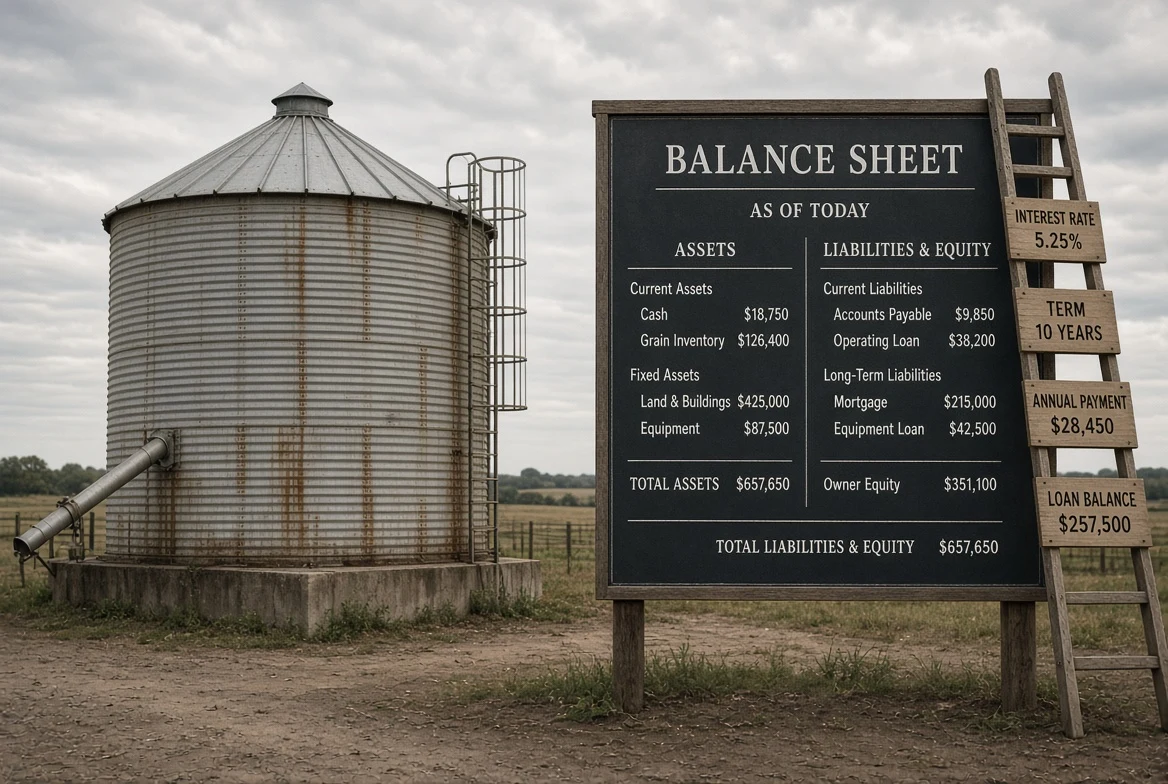
ERS forecast 2025 farm sector equity at $3.83 trillion, up 4.9 percent, on assets of $4.44 trillion. Farm debt was forecast at $591.8 billion, up 4.4 percent, leaving the sector debt-to-asset ratio at 13.4 percent. Rising debt against record asset values is manageable while working capital holds, but the forecast showed the squeeze landing on liquidity, not equity, which is where operators should watch it.
What should operators watch for the February update?
Three lines in the next ERS release will matter most: whether government payments fall back toward their pre-2025 trend, whether production expenses resume climbing, and whether crop cash receipts hold. The September forecast's strength was concentrated in payments, so any 2026 outlook built on lower federal support will look very different at the farm-gate level even if sector-level totals stay large.