Farmland REITs own tenant-farmed land and pay most of their income out as dividends, because federal tax rules require it. Farmland Partners reported about 71,600 owned acres across 11 states at the end of 2025, per its annual report. Gladstone Land counted 144 farms and 98,688 acres across 14 states, with payouts made monthly.
Both are public companies, and both are small next to the asset class. The USDA Economic Research Service counted 911 million acres of farmland in the contiguous 48 states, and 39 percent of it was rented, per the ERS TOTAL survey. Non-operator landlords own 283 million rented acres. The REITs are institutional landlords inside that much larger rental market.
What do farmland REITs actually own?
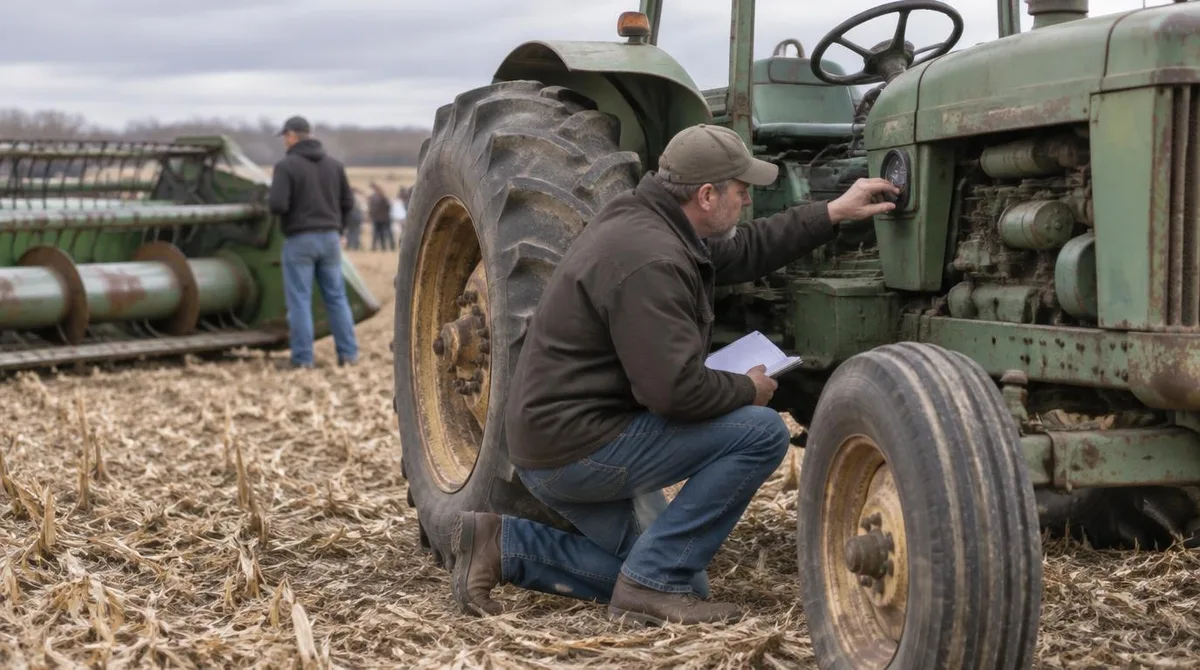
Row crops and orchards, rented to operators. Farmland Partners owned farms with about 71,600 aggregate acres in 11 states, from Arkansas and Illinois to Texas and West Virginia, at the end of 2025, per its 2025 annual report. About 60 percent of that owned portfolio by value grew primary crops: corn, soybeans, wheat, rice, and cotton. The other 40 percent grew specialty crops such as almonds, pistachios, citrus, avocados, strawberries, and edible beans.
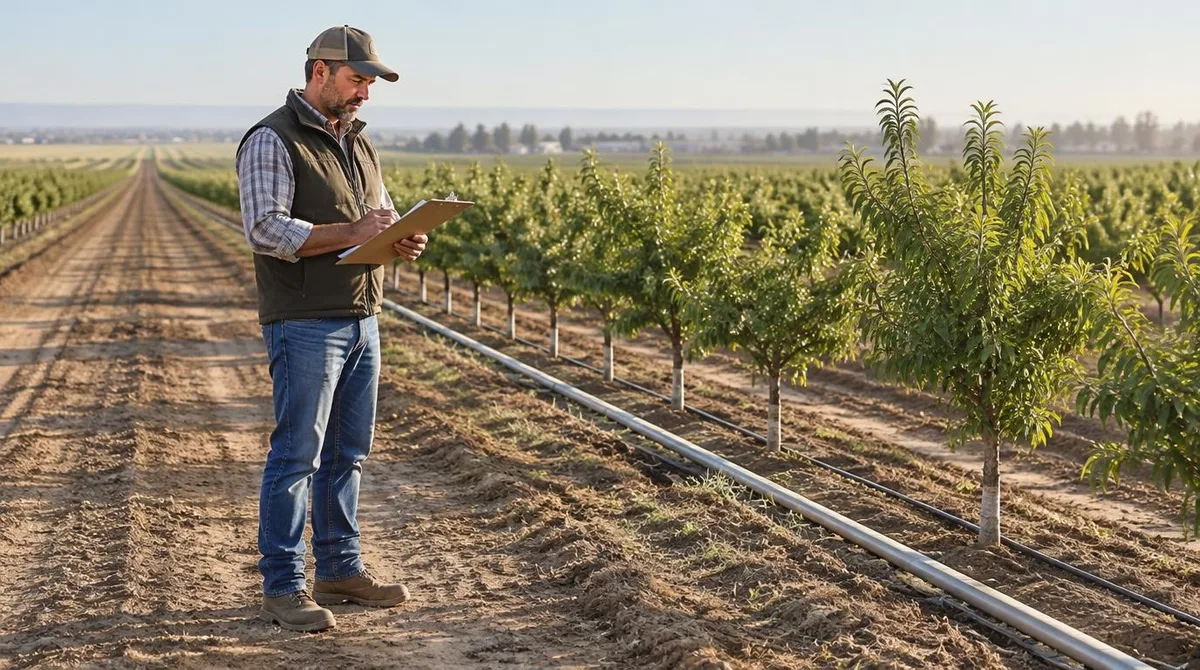
Gladstone Land runs a different map. It owned 144 farms totaling 98,688 acres across 14 states, plus 55,532 acre-feet of water assets in California, per its 2025 annual report. The company leans toward permanent crops in water-secure regions, and it holds the water rights alongside the ground.
How does the land pay its owners?
Through rent, not harvest. Farmers work the ground and pay cash rent to the REIT, often in lumps timed to planting and harvest, and the landlord books that income evenly across the year, per Farmland Partners’ filings. Gladstone Land leases on a triple-net basis to tenants with operating history and reports that its farms were fully occupied, per company materials. One Farmland Partners wrinkle: 10 of its farms, about 1,973 acres, carried leases for operating or under-construction renewable energy projects at the end of 2025. Readers following this should also see Business news this week — Cooperatives 101: Why farmers pool buying and selling power.
Why do REITs pay out at least 90 percent?
Because the tax status demands it. To stay qualified as a REIT, a company must distribute annually at least 90 percent of its REIT taxable income, figured without the dividends-paid deduction and excluding net capital gain, per Farmland Partners’ 2025 annual report. That rule trades a corporate tax bill for a near-total payout. Investors receive the cash flow as common or preferred dividends, and Gladstone Land pays its holders monthly.
How big is the pool they draw from?
Huge on the rental side, tiny on the REIT side. About 39 percent of the 911 million acres of farmland in the contiguous 48 states was rented, per the USDA Economic Research Service TOTAL survey. Eighty percent of rented farmland, 283 million acres or 30 percent of all farmland, is owned by non-operator landlords who are not actively farming, per the same survey. The two public REITs together hold about 170,000 acres, a rounding error against that pool.
The rental market is also sticky. Eighty-four percent of acres rented from non-operator landlords had been with the same tenant for more than three years, per ERS. A REIT buying a farm usually inherits the farmer, the lease, and the relationship. This connects to our earlier piece, Women-owned farm businesses keep growing, census data shows.
What else lands on the books besides crops?
Water, buildings, and energy sites. Gladstone’s 55,532 acre-feet of California water assets sit next to its orchards, per its annual report. Farmland Partners counted 12 more farms, about 4,211 acres, with options for potential solar or wind development at the end of 2025. Farm-related facilities round out the portfolios on both sides, per the filings.
Conclusion: rent roll first, land second
Farmland REITs are landlords with a federal payout rule. They own row-crop and specialty ground across the Plains, the Midwest, California, and the Southeast, they collect rent from operators, and they distribute at least 90 percent of taxable income to keep their status. Against 283 million rented American acres, their footprint stays small. The rent roll, not the deed, is the product.