Topic
What farmland REITs own and pay
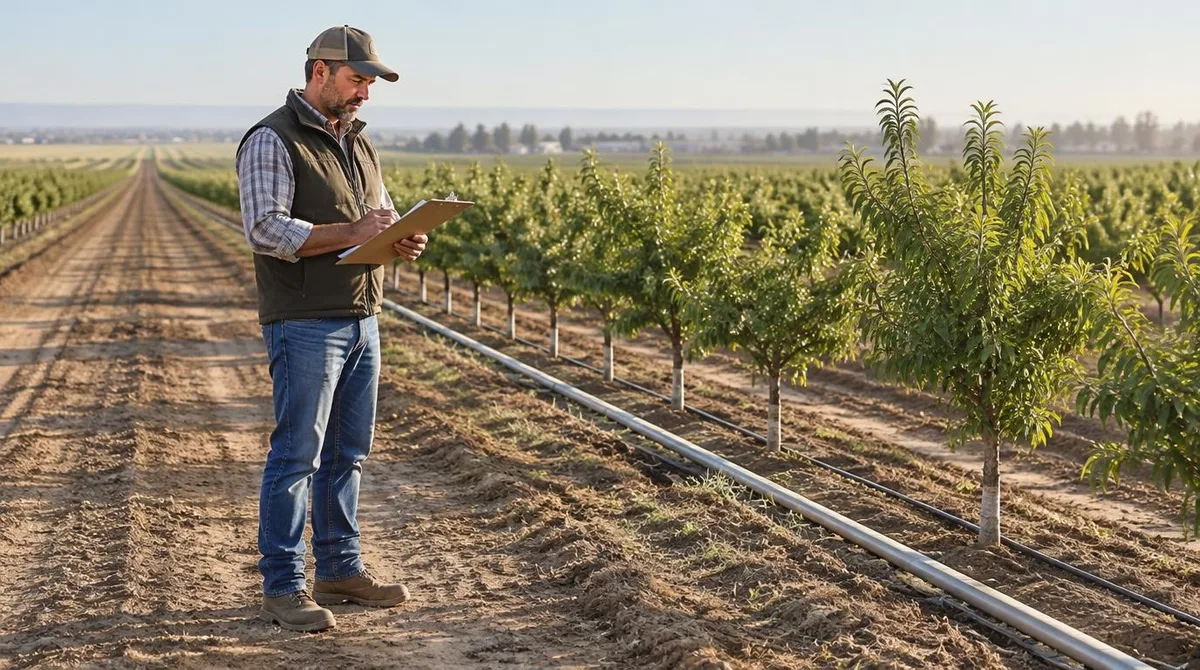
Farmland REITs hold about 170,000 rented acres of row crops and orchards and must distribute at least 90 percent of taxable income, per SEC filings and USDA data.
Farmland REITs hold about 170,000 rented acres of row crops and orchards and must distribute at least 90 percent of taxable income, per SEC filings and USDA data.
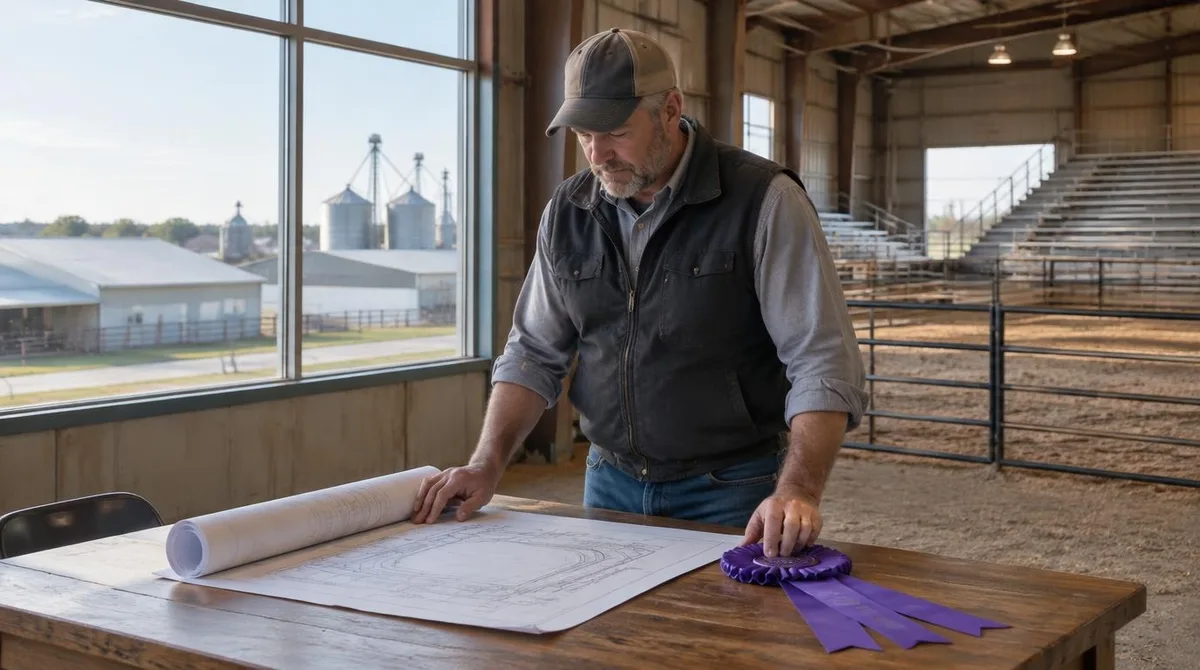
Fairgrounds work as year-round ag commerce hubs. Here is how the money and the governance actually fit together.

Hedging, forward contracts and storage each do a different job. A staged selling plan is how they work together.

Milk, acid, rennet, and time: the four levers that turn a tank of milk into a wheel worth storing.

The hardest transition on most farms is not the paperwork. It is the conversation nobody scheduled.

A plain-English map of the value chain, from input suppliers to the retail shelf, and what each tier does to the money.

The honest answer depends on whether your goal is running an operation or working in the business around it.

Member-owned co-ops set input prices, move grain, and answer to one member, one vote — with real governance trade-offs.

A Kansas City Fed summit gathered farm and agribusiness executives to map the forces reshaping the next decade. Here is a reference guide to those forces and what each one means for a farm business.

Third-party apps, ghost kitchens, and delivery fees now sit between growers and the customers who search for food near them.