The money is now flowing faster than the deals. USDA announced $12 billion in one-time Farmer Bridge Assistance payments on December 8, 2025, per the department's press release, for producers hit by retaliatory trade disruption; enrollment opened February 23, 2026, closed April 17, 2026, and qualifying farmers were slated to see payments from late February, per USDA program materials. Row-crop producers qualified for payments capped at $155,000 per person, per MOST Policy Initiative's analysis of the program.
Farm Press Theme covers trade policy evenhandedly and publishes information, not advice — this piece tracks documented payments and program mechanics, not political positions.
What is actually in place as of mid-2026?
Two layers. The federal Farmer Bridge Assistance program, funded through the Commodity Credit Corporation, is the largest single instrument — the first $12 billion tranche of a larger announced bridge effort aimed at row-crop producers facing export market disruption, per the USDA release. The state layer grew alongside it: New York's Agricultural Resiliency Against Tariffs program, for example, offered payments of $1,000 to $25,000 per eligible entity with applications due August 18, 2026, per the state agriculture department. USDA also kept other safety-net deadlines in motion, including August 7, 2026 application dates for supplemental programs, per USDA reminders. What is not in place is any similarly documented, dated set of new long-term export agreements — the administration's negotiating track with major buyers continued without a signed, agriculture-specific package this site could verify by mid-July 2026.
What does this mean at the farm gate?
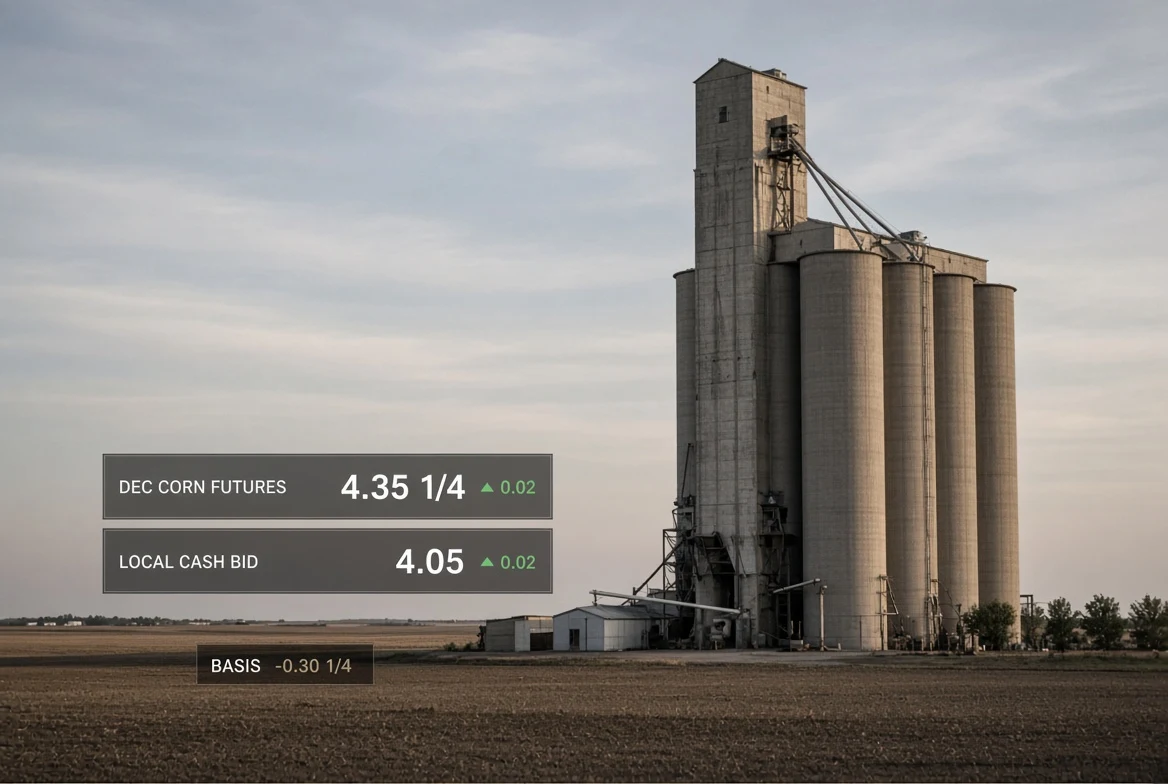
Treat the payments as bridge income, not market income. Three consequences follow from the documents. First, basis and export-demand effects are crop-specific: soybean exports for 2025/26 were projected down 13 percent, per USDA's January 8, 2026 Grain Transportation Report, while corn held stronger — so the trade drag landed unevenly across rotations. Second, payment caps shape who is made whole: a $155,000 cap means larger operations absorb proportionally more of any remaining loss, which is worth building into 2026 cash-flow projections rather than discovering at tax time. Third, one-time payments do not reprice land or inputs — cash rents and machinery payments written in 2022-2023 dollars still stand, and bridging that gap is the operator's problem, not the program's.
What comes next on the calendar?
The documented dates operators can act on: New York's state program deadline of August 18, 2026; USDA's August 7 safety-net application dates; and the September 30, 2026 farm bill extension expiry, which forces the broader policy conversation (see the commodity title's ARC/PLC framework). Beyond the calendar, the open questions are whether additional FBA tranches are announced for later crops and whether any negotiated purchases materialize into signed agreements — both of which this site will report when the documents exist, not before.
Frequently asked questions
What is the Farmer Bridge Assistance program?
A USDA program announced December 8, 2025, providing $12 billion in one-time payments to producers affected by trade disruption, with enrollment from February 23 to April 17, 2026.
How large are the federal payments?
Row-crop producers qualified for one-time Commodity Credit Corporation payments capped at $155,000 per person, per MOST Policy Initiative's analysis of the USDA program.
Are states helping too?
Some are. New York's Agricultural Resiliency Against Tariffs program paid $1,000 to $25,000 per eligible entity, with applications due August 18, 2026.