Farm bill commodity title programs are operating under their third one-year extension after Congress approved the stopgap measure on November 12, 2025, per the Congressional Research Service, extending the 2018 law's authorities through September 30, 2026. For program-crop growers, that means Price Loss Coverage and Agriculture Risk Coverage run one more year on current terms, with reference prices already raised by the 2025 reconciliation law.
Farm Press Theme publishes information, not policy or legal advice; program decisions belong to the operator with a Farm Service Agency county office. The extension itself, though, is a fact with a paper trail.
What did the November 2025 extension actually change?
Nothing in the commodity title's design. The extension, passed alongside the continuing resolution that ended the fall shutdown, carries the 2018 farm bill's authorities forward for a full year, matching the earlier extensions of November 2023 and December 2024, per CRS report R48775. It also continues the suspension of permanent price-support law, the 1940s-era provisions that would otherwise revert to levels far above current market prices. The practical effect is continuity: no new programs, no new baselines, and another September deadline for whoever holds the committee gavels in 2026.
Where do reference prices stand for the 2026 crop?
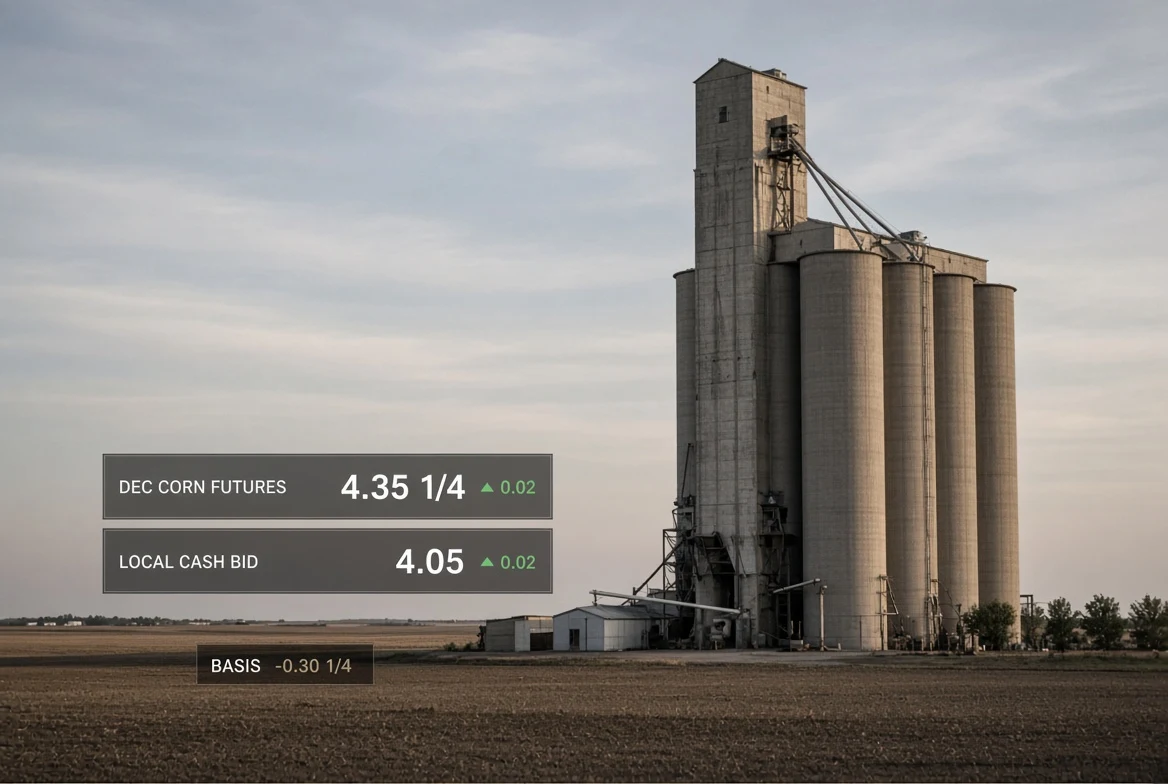
Higher than they were two years ago, but not because of the extension. The One Big Beautiful Bill Act of 2025 raised PLC reference prices for most program crops by roughly 5 to 10 percent, effective from the 2025 crop year, per USDA Economic Research Service summaries of the law — corn moved from $3.70 to $4.10 a bushel, soybeans from $8.40 to $8.90. PLC payments trigger when the marketing-year average price falls below those marks; ARC payments trigger on county revenue shortfalls against a five-year Olympic average. The 2026-crop ARC/PLC election at FSA county offices is the decision point operators control this winter and spring.
What does this mean at the farm gate?
Three things. First, budget any 2026 PLC payment cautiously: with corn reference at $4.10 and market prices hovering near that line, a payment is possible but not assured, and it arrives a year after harvest. Second, the extension means no new conservation or specialty-crop money until a full bill passes — planning that assumed new program enrollment should be rebooked. Third, the September 30, 2026 expiry restarts the clock; House and Senate drafts from the last Congress, compared in CRS R48918, differ most on Title I spending and payment limits, so the shape of the next safety net is still genuinely open. Operators signing multi-year cash rent or input contracts this winter are carrying that uncertainty.
Frequently asked questions
Does the extension change my 2026 PLC or ARC choice?
No. The election mechanics and the raised reference prices both stay as they are, and producers can switch between PLC and ARC for the 2026 crop in the normal spring window at their FSA county office.
Could payments still come for the 2025 crop?
Yes. PLC pays on the marketing-year average price, final months after harvest, so 2025-crop payments under the raised reference prices are calculated in 2026 under the extended authorities.
What happens if no farm bill passes by September 30, 2026?
Permanent law would technically return, but Congress has suspended it each time, and a fourth extension is the historical pattern. The bigger risk is a gap in programs that lack permanent authority, such as some conservation and trade programs.