Foodborne illness costs the United States an estimated $15.5 billion per year in medical care, lost productivity, and deaths, per USDA Economic Research Service estimates for major pathogens. The public health burden behind those costs, an estimated 48 million illnesses, 128,000 hospitalizations, and 3,000 deaths annually, per Centers for Disease Control and Prevention estimates, is what drives the recall system. For individual companies, a single serious recall can run from hundreds of thousands of dollars for a contained product pull to tens of millions once litigation and lost distribution are counted, per industry and insurer analyses.
This site publishes information, not legal advice, and covers recalls from the public record, without allegations beyond what agencies have documented. The economics, though, are worth understanding on their own, because they explain why food companies spend the way they do on prevention.
How does a recall get triggered?
Most recalls start one of three ways: a company's own testing finds a problem, a federal or state inspection surfaces one, or illness reports traced through CDC pulse-field databases link patients to a product. The regulatory mechanics differ by agency. USDA's Food Safety and Inspection Service oversees meat, poultry, and processed eggs and publicizes recalls on its website with classification tiers, Class I through III, by health risk. The FDA oversees most other foods under the Food Safety Modernization Act framework, which gives it mandatory recall authority since 2011.
A Class I designation, reasonable probability of serious health consequences, is the tier that carries the real economic weight, because it triggers press release distribution, retailer notification, and often consumer media coverage.
What are the direct costs?
The documented direct buckets are retrieval and destruction, notification, testing, and replacement. Product must be pulled from every point in the channel, including distribution centers and store backrooms, held, and usually destroyed under documentation. Notifications run to regulators, distributors, retailers, and in serious cases consumers through press releases and point-of-sale postings. Then comes the replacement product, shipped on favorable terms to fill the hole on the shelf, and the testing and investigation to find the cause before production restarts.
For a small processor, the direct costs alone can exceed the margin on a year's production of the affected item. For the largest cases, direct costs have reached into the hundreds of millions, as in the 2008 peanut Salmonella outbreak, whose corporate aftermath included bankruptcy and criminal convictions of company executives, per Department of Justice records.
What are the costs that show up later?
The larger money is usually in the aftermath. Sales of the affected brand drop and recover slowly; competitor brands and private label take share and keep some of it. Retailers may delist the product or renegotiate terms. Litigation arrives through personal injury claims and, where shareholders allege disclosure failures, securities suits. Insurance, product recall and contamination coverage, exists but is expensive, capped, and slow to settle, and premiums rise after a claim.
Industry analyses by recall specialists and food insurers consistently find that the indirect costs, lost sales, brand damage, and legal exposure, exceed the direct recall costs by multiples. That asymmetry is the economic engine of the whole prevention apparatus.
What does this mean upstream at the farm level?
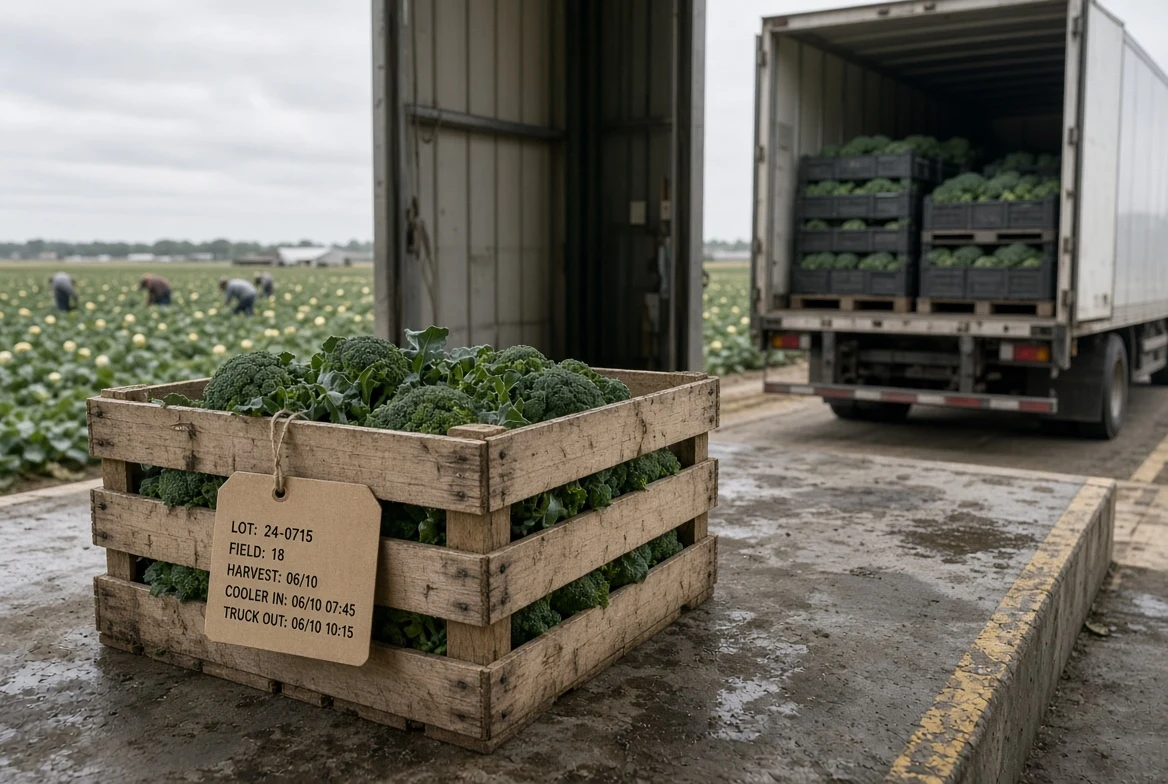
Food safety economics push requirements upstream. Under FSMA, produce rule standards and supplier verification rules make buyers responsible for their supply chain, so processors and retailers translate their recall risk into audits, testing protocols, and traceability requirements for farms. A grower selling into processing channels now carries third-party audit costs and documentation burdens that did not exist a generation ago, because the buyer's recall exposure is the driver.
The trade is explicit: the farm invests in prevention and paperwork in exchange for access to channels that pay reliably. Growers who find the audit burden heavy should read it as the market pricing risk, the same way a grain elevator prices docking. The cheapest place to control a pathogen is at the front of the chain, and the market has noticed.
Are recalls becoming more expensive?
Two documented trends point that way. Traceability requirements are rising, with FDA's Food Traceability Rule setting recordkeeping standards for high-risk foods, so problems are located faster and recalls can be narrower but are harder to dispute. And the litigation environment around large outbreaks has grown more aggressive, with the peanut outbreak precedent establishing criminal exposure for executives in knowing contamination cases.
For farm and food businesses, the working summary is that the recall system is expensive by design, and the economics reward prevention over response at every scale. The CDC burden estimates and the ERS cost figures are the reason buyers audit, the reason coverage is expensive, and the reason a documented food safety plan is now table stakes for selling into nearly every serious channel in the food industry. Insurance markets, regulators, and buyers all price the same risk from different angles, and the operation that documents its prevention program finds every one of those doors cheaper to walk through.