Strategy covers commitments made a season or more in advance: crop rotation and acreage allocation, forward contracts and storage, hedging decisions, land rental and purchase, and diversification into new enterprises. Each analysis works through the assumptions on cost and price that the decision depends on, and what happens when those assumptions fail.
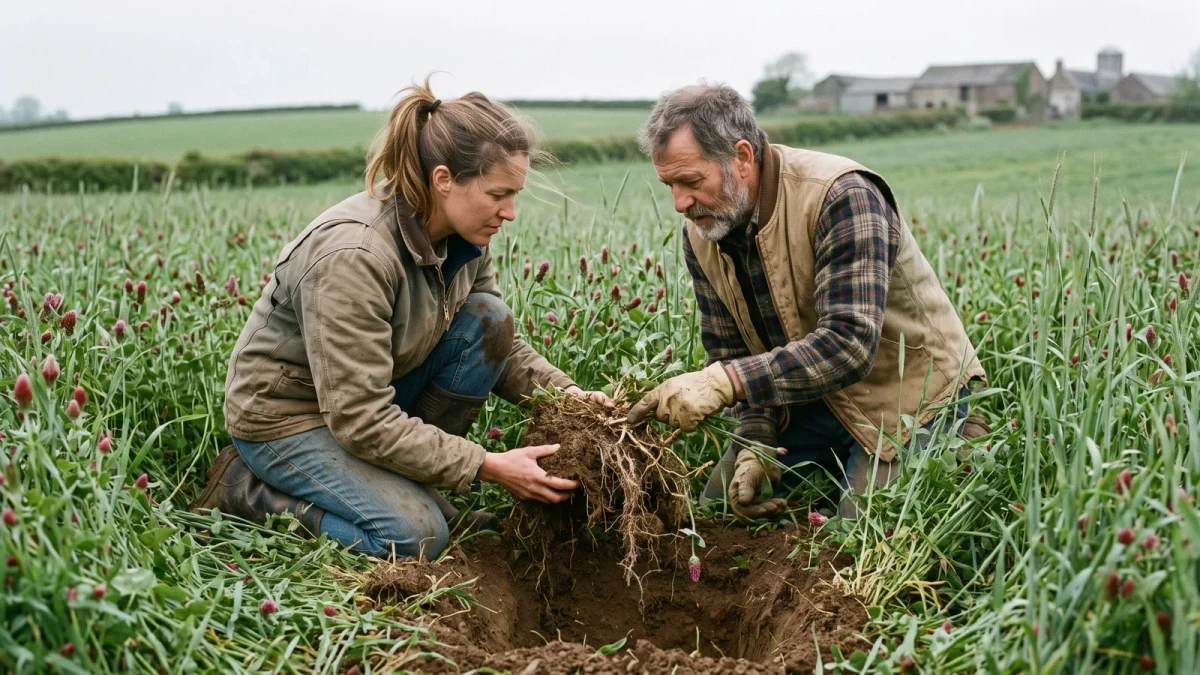
Cover crops occupied just under 18 million acres in the 2022 Census — a transition plan that works budgets each practice, each year, before committing the whole farm.
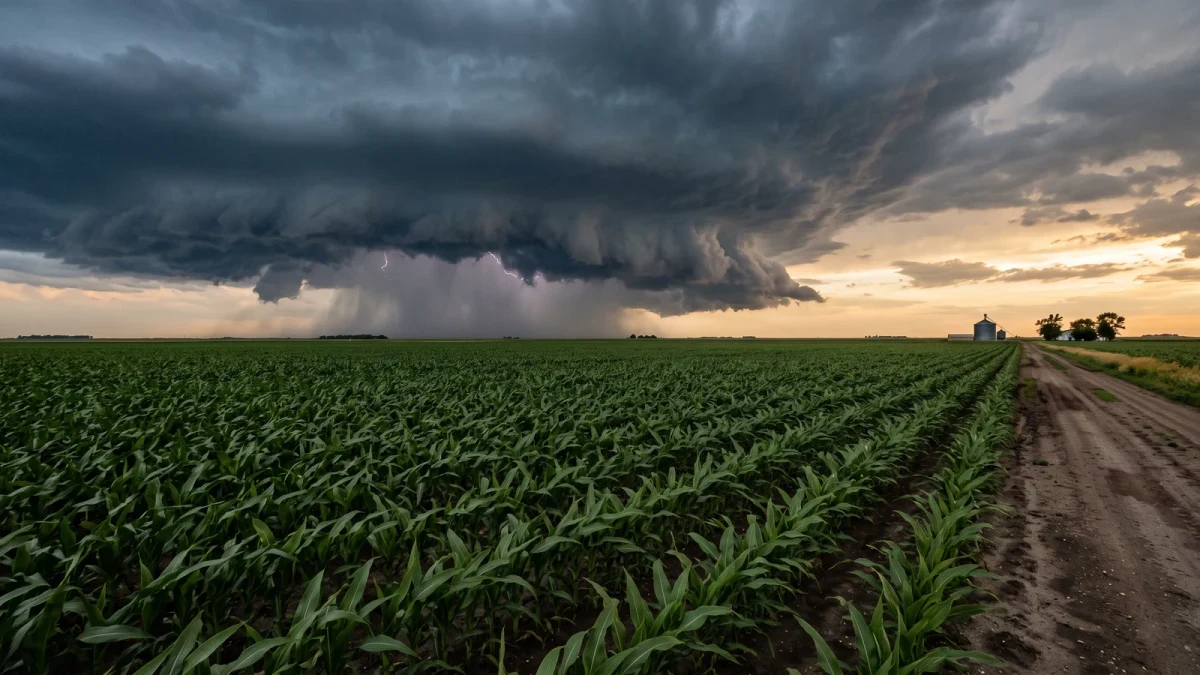
The federal subsidy falls from 59 percent at 65 to 70 percent coverage to 38 percent at 85 percent — the arithmetic that shapes every coverage-level decision.
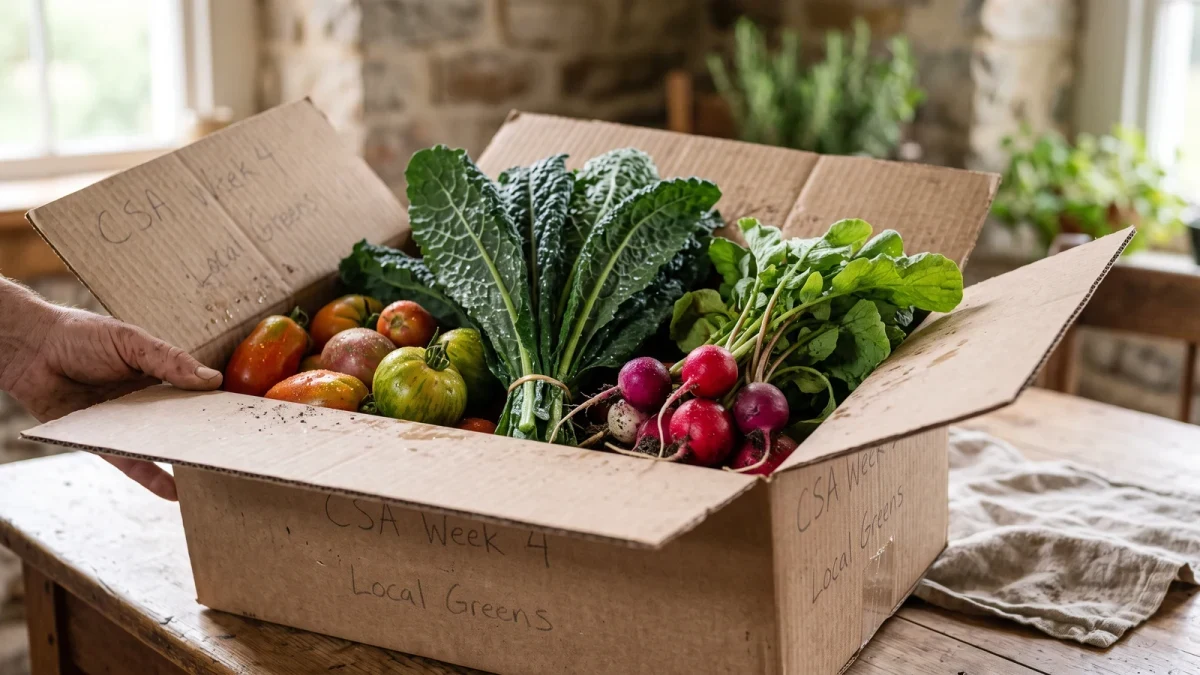
Farmers markets, CSAs, on-farm stores, and online sales differ in margin, labor shape, and scale — the 2022 Census recorded 116,600 farms working them.
USDA's Value-Added Producer Grants cap working-capital awards at $250,000 — useful capital, but the economics stand or fall on throughput, margin, and compliance cost.